
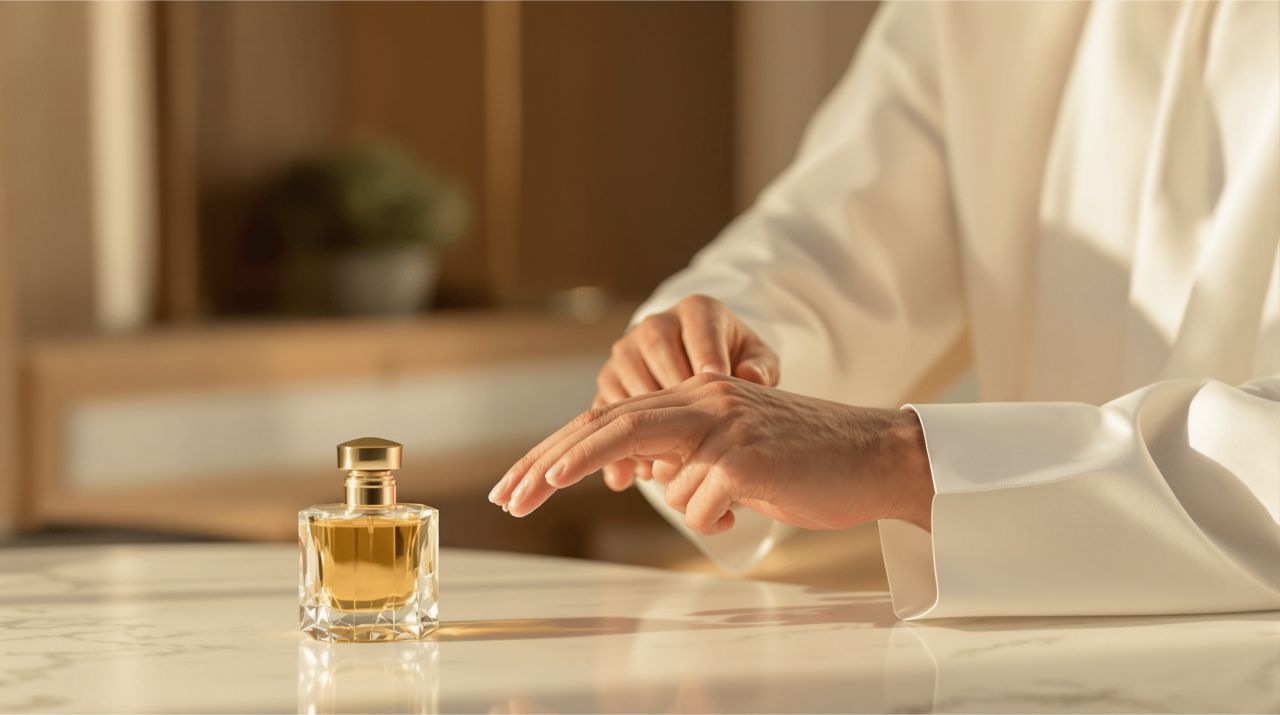
Have you ever wondered if you’re wearing too much perfume? Or maybe you’ve caught yourself thinking, “Is this scent appropriate for this occasion?” You’re not alone. The art of wearing Arabian perfume comes with beautiful traditions and unspoken rules that can feel confusing at first.
Arabian perfumes carry centuries of culture in every drop. These rich, long-lasting scents aren’t just about smelling good—they’re about respect, tradition, and social harmony. Whether you’re new to oud, bakhoor, or attar, understanding the etiquette helps you enjoy these magnificent fragrances without making anyone uncomfortable.
Think of perfume etiquette as a social skill, like knowing when to speak softly or when to give someone space. When you master these simple rules, you’ll wear your favorite scents with confidence. You’ll know exactly how much to apply, when to skip it entirely, and how to make a lasting impression for all the right reasons.
This guide breaks down everything you need to know about Arabian perfume etiquette. From basic do’s and don’ts to gender-specific tips and occasion rules, you’ll learn practical knowledge that makes sense in real life. Ready to become a fragrance etiquette expert?
- Why Arabian Perfume Etiquette Matters So Much
- The Essential Do’s: 10 Rules to Follow Every Time
- The Critical Don’ts: 10 Mistakes to Avoid
- Gender-Specific Guidelines: Different Rules for Men and Women
- Occasion-Specific Rules: Matching Perfume to the Event
- Application Techniques: How to Wear Perfume the Right Way
- Seasonal and Climate Considerations
- Age-Appropriate Guidelines
- Common Mistakes and How to Fix Them
- Special Situations: When Standard Rules Don’t Apply
- Shopping and Gift-Giving Etiquette
- The Future of Arabian Perfume Etiquette
- Conclusion: Wear Perfume With Confidence and Respect
- Frequently Asked Questions
Why Arabian Perfume Etiquette Matters So Much
Arabian culture treats perfume as more than a personal choice—it’s a form of communication. When you wear perfume thoughtfully, you’re showing respect for the people around you. When you ignore the rules, you might accidentally cause discomfort or even offense.
Perfume affects everyone nearby. Unlike your clothes or hairstyle, fragrance travels. It enters shared spaces, lingers in elevators, and follows you into meetings. In Arab culture, where hospitality and consideration run deep, being mindful of your scent is a sign of good character.
Consider this: in many Gulf countries, offering perfume to guests is a cherished ritual. Hosts pass around luxurious oud oil or mabkhara (incense burners) to welcome visitors. This beautiful tradition shows how seriously perfume is taken—it’s a gift, a greeting, and a gesture of warmth all at once.
But here’s the flip side. Overpowering scent is considered rude. It suggests you care more about your own preferences than others’ comfort. In professional settings, religious spaces, and medical facilities, strong perfume can even be seen as inappropriate or inconsiderate.
Health sensitivity matters too. Many people experience headaches, allergies, or breathing problems from heavy fragrances. Some workplaces in the UAE and Saudi Arabia now have “scent-free” policies because so many employees reported discomfort. By following etiquette rules, you protect both relationships and health.
Cultural respect builds bridges. When expats and visitors learn Arabian perfume customs, locals notice and appreciate the effort. When Arabs travel abroad, understanding Western perfume norms helps them adapt. These small acts of awareness create mutual respect and smoother social interactions.
Finally, proper etiquette makes your perfume smell better. Yes, really! When you apply the right amount in the right places, your fragrance develops beautifully throughout the day. When you overapply or put it in the wrong spots, even the finest oud can smell harsh or chemical.
The Essential Do’s: 10 Rules to Follow Every Time
Let’s start with what you should do when wearing Arabian perfume. These positive habits will serve you well in any situation:
1. Do Apply to Pulse Points for Best Results
Your body has natural warm spots where blood flows close to the skin—wrists, behind ears, base of throat, inside elbows, and behind knees. These pulse points heat up your perfume and help it spread naturally. For oil-based Arabian perfumes, one small dab on each wrist is usually enough. The warmth activates the scent without overwhelming anyone.
2. Do Start With Less Than You Think You Need
Arabian perfumes are incredibly concentrated. One drop of pure oud oil can scent your clothes for days. Begin with just 1-2 sprays of spray perfume or a tiny fingertip amount of attar. You can always add more after 10 minutes, but you can’t take it away once applied. Remember: your nose gets used to your perfume quickly, so you might not smell it even when others definitely do!
3. Do Consider Your Environment Before Applying
Heading to a hospital, funeral, or religious service? Skip the perfume entirely or use the absolute minimum. Going to a wedding, evening party, or personal celebration? You have more freedom to wear richer scents. Always ask yourself: “What’s the purpose of this event, and what will others appreciate?”
4. Do Layer Scents the Traditional Way
In Arabian culture, layering creates depth and longevity. Start with a scented duhn (oil) on pulse points, then burn bakhoor over your clothes, and finish with a complementary spray perfume. The layers work together like musical notes in a chord. Just make sure all three scents belong to the same fragrance family—rose with rose, oud with oud.
5. Do Reapply Lightly Only When Truly Needed
Most quality Arabian perfumes last 8-12 hours, so you rarely need to reapply. If you do need a refresh, go to a private space (bathroom or empty office), and use half of your morning amount. Never spray perfume in public areas where others can’t escape the cloud.
6. Do Adjust for Weather and Climate
Heat amplifies fragrance dramatically. In hot Gulf summers, reduce your usual amount by half. In air-conditioned spaces or cool weather, you can apply slightly more. Humidity also intensifies scent, so rainy days call for a lighter hand too.
7. Do Choose Lighter Scents for Professional Settings
Save the heavy, smoky oud muattar for evenings and special occasions. For work, choose cleaner scents with citrus, fresh florals, or light woody notes. Your colleagues will appreciate smelling “something nice” rather than “someone’s strong perfume” during eight-hour workdays.
8. Do Apply Perfume to Clean, Moisturized Skin
Fragrance clings best to hydrated skin. After showering, apply an unscented lotion, let it absorb for a minute, then add your perfume. This helps the scent last longer and develop properly. Dry skin makes perfume fade quickly and smell harsh.
9. Do Give Perfume Time to Settle Before Judging
Arabian perfumes change dramatically in the first 15-30 minutes. The initial alcohol or sharp notes (called “top notes”) fade quickly, revealing the true character underneath. Wait at least 20 minutes before deciding if you’ve applied the right amount.
10. Do Store Your Perfumes Properly to Maintain Quality
Keep bottles away from direct sunlight, heat, and humidity. Store them in a cool, dark drawer or cabinet. Properly stored Arabian perfumes can last for years. Improperly stored ones can turn sour, weak, or smell “off” within months.
The Critical Don’ts: 10 Mistakes to Avoid
Now let’s cover what not to do. These common mistakes can turn beautiful perfume into a social problem:
1. Don’t Spray Perfume in Enclosed Public Spaces
Never apply perfume in elevators, small offices, buses, airplanes, or waiting rooms. The confined space traps the scent and forces others to breathe it. This is considered extremely rude in Arabian culture. Always apply perfume at home or in a private bathroom.
2. Don’t Wear Strong Perfume to Medical Facilities
Hospitals, clinics, and doctor’s offices serve people with health sensitivities. Strong fragrances can trigger asthma attacks, migraines, or nausea in patients. Many medical facilities now ban perfume entirely. When visiting sick friends or attending appointments, go perfume-free or use the tiniest amount possible.
3. Don’t Apply Perfume Directly to Clothes (Usually)
While bakhoor is meant for clothes, spray perfumes and oils should go on skin first. Spraying directly onto fabric can leave stains, especially with darker oils. It also makes the scent last too long—your clothes might smell strong days later. The exception: you can lightly mist your clothes’ hem or back if the perfume is alcohol-based and light-colored.
4. Don’t Mix Conflicting Fragrance Families
Combining rose perfume with oud is beautiful—they’re cousins. But mixing fresh citrus with heavy amber, or floral jasmine with smoky leather, creates a confusing mess. Stick to scents from the same family, or wear them on different days.
5. Don’t Reapply Just Because You Can’t Smell It Anymore
Your nose experiences “olfactory fatigue”—it stops registering your own scent after 15-20 minutes. This doesn’t mean the perfume faded! Others can still smell you just fine. Trust the process and resist the urge to add more.
6. Don’t Wear Heavy Perfume to the Gym or During Exercise
Sweat and perfume create an unpleasant combination. In the heat and humidity of a workout, fragrance becomes overwhelming. Fellow gym-goers can’t escape it. Save your oud for after you shower. A light deodorant is all you need during exercise.
7. Don’t Apply Perfume Right Before or During Meals
Strong scents interfere with the taste of food. In restaurants or at dinner parties, perfume competes with the aromas of carefully prepared dishes. This is especially important in Arab culture, where sharing meals is a central social activity. Apply perfume at least an hour before dining, or skip it if you’re going straight to a meal.
8. Don’t Ignore Cultural Norms in Different Countries
What works in Dubai might not work in London. Gulf countries generally accept stronger perfumes in social settings, while Western workplaces prefer subtle scents. When traveling, research local norms. When in doubt, go lighter than usual.
9. Don’t Spray Perfume in Front of Others Without Warning
The cloud from aerosol perfume spreads several feet. If you must reapply in a shared bathroom, check that no one else is present, or step into a stall. Spraying perfume while someone nearby watches is like blowing smoke in their face—it’s invasive.
10. Don’t Use Expired or Oxidized Perfume
Old perfume doesn’t just smell weak—it can smell rancid or chemical. If your oud oil has separated, your attar smells like vinegar, or your spray perfume has changed color, throw it out. Wearing degraded perfume is worse than wearing none at all.
Gender-Specific Guidelines: Different Rules for Men and Women
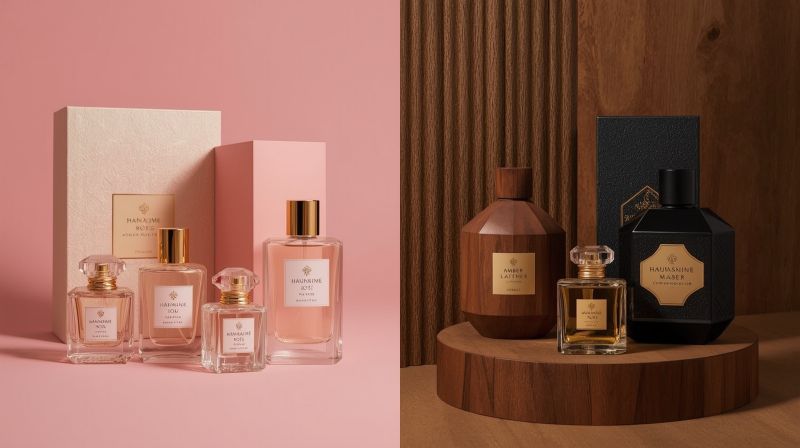
Arabian perfume traditions include distinct expectations for men and women. Understanding these differences helps you choose and wear fragrances appropriately:
For Women:
Women in Arab culture often wear softer, sweeter, and more floral fragrances for daily life. Rose, jasmine, saffron, and light oud blends are traditional favorites. The key is creating an “aura” of scent that people notice when they’re close to you, not from across the room.
Application for women: 2-3 sprays maximum for daytime, or 1-2 dabs of oil. Focus on wrists and behind ears. For formal events or weddings, you can apply slightly more, including the base of your throat and inside your elbows. Many Arab women also perfume their hair by spraying a light mist in the air and walking through it.
Conservative settings: In some regions, women avoid wearing perfume in public spaces entirely, reserving it for home and women-only gatherings. If you’re unsure about local customs, observe what other women are doing and follow their lead.
For Men:
Men typically wear stronger, woodier, and more intense fragrances. Pure oud, amber, leather, and musk are classic masculine choices. The cultural expectation is a bolder presence, but still within reason—not overwhelming.
Application for men: 2-4 sprays for spray perfumes, or a generous fingertip of attar/oil on pulse points. Men often apply perfume to the chest, neck, and wrists. Some also add a small amount to their thobe (traditional dress) or ghutra (headscarf), but only if attending a special event.
Professional balance: Arab businessmen often wear oud to the office, but choose lighter oud blends rather than pure, smoky versions. The goal is to smell sophisticated and groomed, not to announce your presence before you enter a room.
Universal wisdom: Regardless of gender, the core principle stays the same—your perfume should enhance your presence, not define it. People should think “you smell nice” after you leave, not “wow, I could smell them from the parking lot.”
Occasion-Specific Rules: Matching Perfume to the Event
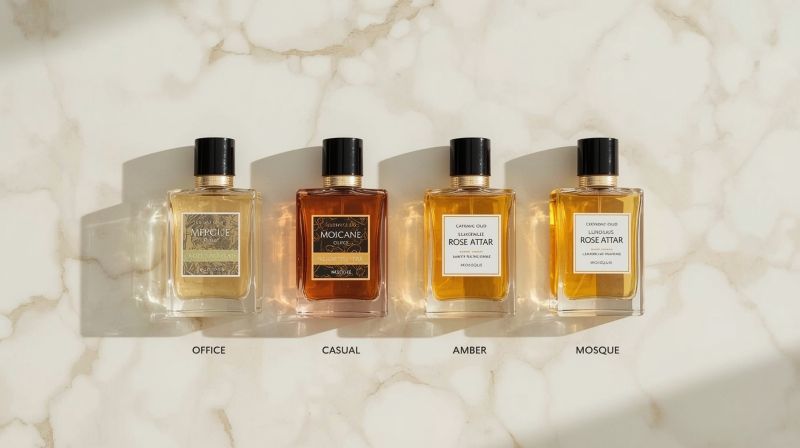
Different situations call for different fragrance approaches. Here’s your guide to getting it right:
Religious Occasions (Mosques, Prayer Times, Religious Holidays):
Perfume is encouraged before attending the mosque—Prophet Muhammad (peace be upon him) loved good scents. However, choose light, clean fragrances without alcohol (if possible). Pure oud oil or soft musk work perfectly. Apply sparingly: 1 dab on wrists and neck. Women should use even less or skip perfume in conservative mosques.
Professional Settings (Office, Business Meetings, Conferences):
Keep it subtle and clean. Light woody notes, fresh citrus, or soft florals are ideal. Limit yourself to 2 sprays maximum. Your perfume should never arrive before you do or linger after you leave. Remember: colleagues can’t escape your scent for 8+ hours daily.
Social Celebrations (Weddings, Engagements, Parties):
Now you can embrace richer, more noticeable scents! Weddings especially welcome luxurious fragrances. You can apply 3-5 sprays of perfume or generous amounts of attar. Layer bakhoor over your clothes for extra impact. This is the time to showcase beautiful oud blends and complex compositions.
Casual Outings (Shopping, Coffee Shops, Casual Dining):
Medium intensity works best. You want to smell put-together but not formal. 2-3 sprays of a versatile fragrance strikes the right balance. Avoid very sweet or very smoky scents in casual settings—they can feel out of place.
Intimate Gatherings (Small Dinner Parties, Home Visits):
When visiting someone’s home, respect their space by wearing moderate amounts of perfume. Your scent will feel stronger in smaller rooms. If your host is burning bakhoor, your personal perfume will mix with it, so go lighter than usual.
Funerals and Mourning Visits:
This is one situation where less is always more. In many Arab communities, skipping perfume entirely is the respectful choice. If you do wear any, use just one dab of subtle musk or a very light floral—nothing rich, sweet, or cheerful.
Application Techniques: How to Wear Perfume the Right Way
Applying Arabian perfume properly makes a huge difference in how it smells and lasts. Follow these techniques:
For Oil-Based Perfumes (Attar, Oud Oil, Mukhallat):
Roll or dab the applicator on your pulse points—wrists, behind ears, base of throat. Don’t rub your wrists together after applying; this crushes the fragrance molecules and changes the scent. Let the oil sit naturally and warm up on your skin.
For Spray Perfumes (Eau de Parfum, Eau de Toilette):
Hold the bottle 6-8 inches away from your skin. Spray once on each wrist and once on your neck. Let it dry naturally without rubbing. For extra longevity, you can spray once on your chest (over clothing) or on the back of your neck.
For Solid Perfumes and Creams:
Warm a tiny amount between your fingers, then dab onto pulse points. These concentrated formulas need very little product. Start with a rice-grain-sized amount and add more only if needed.
For Bakhoor (Incense/Smoke):
Stand over the mabkhara (incense burner) and let the smoke rise through your clothes, especially your sleeves, hem, and back. Turn slowly so the smoke reaches all sides. Don’t stay too long—15-30 seconds per side is enough. The scent will cling to fabric fibers and last for hours.
The “Spray and Walk” Method:
For a very subtle effect, spray perfume into the air in front of you, then walk through the mist. This distributes fragrance lightly and evenly. It’s perfect for situations where you want just a hint of scent.
Layering Technique:
Apply oil-based perfume first (lightest amount), let it settle for 2 minutes, then burn bakhoor over your clothes, wait another minute, then finish with a coordinating spray perfume if desired. Each layer should use less than if you wore it alone.
Seasonal and Climate Considerations
Temperature and humidity dramatically affect how perfume smells and spreads:
Hot Weather (Summer, Gulf Climate):
Heat amplifies fragrance by 50-70%. Cut your usual amount in half. Choose fresher, lighter compositions—citrus, aquatic, green notes, and light oud blends. Heavy amber and musk can feel suffocating in 45°C heat. Apply perfume to areas covered by light clothing rather than exposed skin, where heat will blast it immediately.
Cool Weather (Winter, Air-Conditioned Spaces):
You can wear richer, heavier fragrances comfortably. Deep oud, amber, warm spices, and resinous scents bloom beautifully in cooler temperatures. You may need to apply slightly more than in summer—add one extra spray or dab. The scent won’t project as far, so people need to be closer to notice it.
Humid Conditions (Rainy Season, Coastal Areas):
Humidity traps and intensifies fragrance molecules. Use 30-40% less than normal. Humidity also makes scents smell “heavier” and sometimes sickly-sweet. Stick to cleaner, drier compositions. Avoid very sweet or very musky perfumes on humid days.
Dry, Arid Conditions:
Dry air causes perfume to evaporate faster from your skin. Apply to moisturized skin to help it last longer. You might need to reapply once during the day—but still use small amounts each time.
Age-Appropriate Guidelines

Perfume etiquette changes as you grow older:
Children and Young Teens (Under 15):
Very light, simple scents only—usually floral waters or gentle citrus. Many families avoid perfume on young children entirely, letting them smell naturally clean. If perfume is used, adults should apply it, not the child. One spray is maximum.
Teenagers (15-18):
Fresh, youthful scents work best—light florals, fruity notes, clean musks. Teens are still learning dosage control, so simpler perfumes are safer. They should apply perfume themselves but under guidance: 1-2 sprays only, for special occasions rather than daily school wear.
Young Adults (18-30):
Full freedom to explore different fragrances, but still stick to lighter compositions for daily life. This is when you learn your personal style and what works with your body chemistry. Experiment with small samples before buying full bottles of expensive oud.
Adults (30-50):
You likely have a signature scent or small collection by now. You understand your preferences and how much to apply. This age group tends to wear perfume most confidently and appropriately. You can embrace sophisticated, complex compositions.
Mature Adults (50+):
Be mindful that sense of smell naturally weakens with age—you might not smell your perfume as strongly as you once did. This can lead to over-application. Ask trusted friends or family if your amount seems right. Many mature adults prefer classic, elegant fragrances over trendy ones.
Common Mistakes and How to Fix Them
Even experienced perfume lovers make these errors. Here’s how to correct them:
Mistake: “I applied way too much perfume.”
Fix: Blot (don’t rub) the areas with a cotton pad soaked in rubbing alcohol or unscented witch hazel. This removes some of the excess. Change your shirt if you sprayed clothing. If you can’t fix it, acknowledge it honestly: “I think I overdid my perfume today—sorry if it’s strong!”
Mistake: “My perfume disappeared after an hour.”
Fix: You’re probably experiencing nose-blindness, not actual fading. Ask someone you trust if they can still smell it. If it truly faded, your skin might be too dry. Next time, moisturize first and apply to pulse points, not dry areas.
Mistake: “I wore perfume to a funeral without thinking.”
Fix: If possible, wash it off in the bathroom immediately. If that’s not feasible, stay toward the back or periphery of gatherings. Apologize quietly if someone close to you seems bothered. Learn from it and skip perfume for future similar events.
Mistake: “I mixed two perfumes that smell awful together.”
Fix: You’ll need to wash off both and start over. There’s no quick fix for clashing scents. In the future, test combinations on paper blotters before applying to skin.
Mistake: “Someone told me my perfume gave them a headache.”
Fix: Apologize sincerely and immediately. If you’re at work or in a shared space, wash off what you can. Going forward, reduce your amount by at least half around that person. Consider asking colleagues if your normal amount is too much—they might have been too polite to mention it.
Special Situations: When Standard Rules Don’t Apply
Some scenarios need extra thought:
Air Travel:
Airplanes are enclosed spaces with recycled air. Apply only 1 spray of perfume maximum, or skip it entirely for flights. Never apply perfume on the plane. If you must smell nice, use a light, unscented deodorant instead.
Job Interviews:
This is not the time to showcase your favorite powerful oud. Use 1 spray of something clean and forgettable, or wear nothing at all. You want interviewers remembering your qualifications, not your scent.
First Dates:
Wear something pleasant but not overwhelming—2 sprays maximum. Your date will be sitting close to you. You want them noticing you, not being distracted by strong perfume. Choose universally appealing scents: soft roses, light woods, clean musks.
Perfume Shopping:
When testing perfumes at a store, limit yourself to 3-4 samples on blotters (paper strips). Don’t apply more than 2 to your skin—your nose will get confused. Come back another day to test more. Never wear heavy perfume to a perfume shop; it interferes with testing new scents.
Religious Fasting (Ramadan):
Many people skip perfume or wear very minimal amounts during fasting hours out of respect and to avoid triggering appetite. After breaking fast (iftar), you can apply perfume normally for evening prayers and social visits.
Shopping and Gift-Giving Etiquette
Buying and sharing perfume has its own set of customs:
When buying perfume as a gift, consider the recipient’s age, gender, and lifestyle. Safe choices include light oud blends, rose-based perfumes, or luxurious bakhoor sets. Include a note explaining how to use it if the recipient is unfamiliar with Arabian perfumes.
Never give perfume to someone who’s never worn it without checking if they actually like fragrance. Some people are sensitive or simply prefer going scent-free.
At perfume shops, test perfumes on blotters first, then on skin. Ask the salesperson to spray for you rather than doing it yourself—they know the right distance and amount. Don’t rush the decision; good Arabian perfumes are expensive and should be chosen carefully.
If someone offers you perfume from their personal bottle, accept graciously even if you don’t love the scent. Apply a tiny amount as a gesture of respect. In Arabian hospitality, refusing perfume can seem rude—it’s like refusing food.
When sharing your own perfume, offer it generously but don’t insist if someone declines. Some people have allergies or simply don’t want to mix scents.
The Future of Arabian Perfume Etiquette
Perfume customs are evolving, especially as cultures blend globally:
Younger generations are mixing traditional Arabian perfumes with Western styles, creating hybrid approaches. You might see someone wearing light oud to a coffee shop or pairing bakhoor with designer clothing—combinations that older generations might find unusual.
Workplace norms are shifting toward “scent-free” or “low-scent” policies, even in Gulf countries. As awareness of sensitivities grows, the professional standard is becoming more conservative about fragrance.
Sustainability concerns are influencing perfume choices too. More people are choosing natural, ethically sourced oud and attars over synthetic fragrances. The etiquette of the future might include considering the environmental impact of your perfume.
Cultural exchange means more non-Arabs are discovering Arabian perfumes, while more Arabs are exploring Western fragrance traditions. This creates opportunities for beautiful fusion—and some confusion about which rules to follow. The solution? When in doubt, err on the side of less perfume and more awareness.
The core principle will always remain: respect for others comes before personal preference. As long as you remember that, you’ll navigate any cultural or situational perfume etiquette with grace.
Conclusion: Wear Perfume With Confidence and Respect
Mastering Arabian perfume etiquette isn’t about following rigid rules—it’s about consideration, awareness, and cultural appreciation. When you apply the right amount at the right time, you honor both the beautiful tradition of Arabian perfumery and the comfort of people around you.
Remember the key principles: start with less, adjust for your environment, respect special occasions, and always consider others’ experiences. These habits will serve you whether you’re wearing pure oud in Riyadh or light floral perfume in a London office.
The most elegant perfume wearers aren’t the ones who smell the strongest—they’re the ones who leave a subtle, memorable impression. They’re the people others want to stand close to, not move away from. They’ve learned that true sophistication whispers rather than shouts.
So go ahead—enjoy your beautiful Arabian perfumes with confidence. Apply them thoughtfully, wear them proudly, and let them enhance your presence rather than overwhelm it. When you get the etiquette right, perfume becomes exactly what it should be: a small luxury that brings joy to you and everyone you meet.
What will you do differently now? Maybe you’ll cut your usual amount in half, or skip perfume on your next hospital visit, or finally try that layering technique you’ve been curious about. Whatever you choose, you’re now equipped with the knowledge to wear Arabian perfume like someone who truly understands the art.
Welcome to the elegant world of perfume etiquette. You’re going to smell amazing—in the best, most respectful way possible.
Frequently Asked Questions
Q: How many sprays of Arabian perfume is too many?
A: For most Arabian spray perfumes, 2-3 sprays is the maximum for daily wear. These fragrances are highly concentrated. If you’re wearing pure oud oil or attar, 1-2 small dabs is enough. Start with less than you think you need—you can always add more after 10 minutes if necessary.
Q: Can I wear Arabian perfume to work, or is it too strong?
A: Yes, but choose lighter oud blends, fresh woody scents, or soft florals instead of heavy, smoky compositions. Apply only 1-2 sprays. Many workplaces now have scent policies, so check with HR if you’re unsure. Your colleagues should notice your perfume only when they’re close to you, never from across the room.
Q: Is it rude to tell someone their perfume is too strong?
A: It’s a delicate situation. If you have a good relationship with the person, you can mention it gently and privately: “Your perfume is lovely, but I’m pretty sensitive to scents—would you mind wearing a bit less around me?” Most people appreciate the honest feedback since they can’t smell themselves.
Q: Should men and women follow different perfume rules?
A: In traditional Arabian culture, yes—women typically wear softer, sweeter scents while men wear stronger, woodier fragrances. However, modern perfume etiquette focuses more on occasion and amount than gender. The universal rule is: whatever you wear, don’t overwhelm others.
Q: How long should Arabian perfume last on my skin?
A: Quality Arabian perfumes last 6-12 hours due to high oil concentration. Pure oud oil can last 24+ hours. If your perfume fades quickly, your skin might be too dry (moisturize first), or you might be experiencing nose-blindness (you can’t smell it, but others still can).
Q: Can I layer different Arabian perfumes together?
A: Yes, but only within the same fragrance family. Layer rose with rose, oud with oud, amber with amber. Start with oil-based perfume on skin, then bakhoor on clothes, then a coordinating spray perfume. Don’t mix conflicting families like fresh citrus with heavy musk—the result will smell confused.
Q: Is it okay to wear perfume to the mosque?
A: Yes—wearing clean, pleasant fragrance to the mosque is encouraged in Islamic tradition. However, use a light hand (1 dab of oil or 1 spray), and choose alcohol-free options if possible. Avoid overpowering scents that might distract others from prayer.
Q: What should I do if I accidentally applied too much perfume?
A: Blot (don’t rub) the area with a cotton pad soaked in rubbing alcohol or witch hazel to remove some excess. Change your shirt if you sprayed clothing. If you can’t wash it off, stay in well-ventilated areas and apologize if someone mentions it. Learn from the mistake and use less next time.
Q: Do Arabian perfumes smell different on everyone?
A: Yes! Your unique body chemistry—skin pH, natural oils, diet, and even medications—affects how perfume develops. That’s why a scent smells amazing on your friend but different on you. Always test perfume on your own skin and wait 20-30 minutes before deciding if you like it.
Q: Are there places where I should never wear perfume?
A: Absolutely. Skip perfume entirely at: hospitals and medical clinics, funerals and mourning visits, gyms and athletic facilities, during meals at restaurants, in small enclosed spaces like elevators, and any venue with posted “scent-free” policies. When in doubt, go without.


