

Have you ever walked past someone wearing a beautiful rose perfume and wished you could wear it too? But then you remember the last time you tried a fragrance—the redness, the itching, or that uncomfortable burning sensation. If you have sensitive skin, the world of perfumes can feel like a closed door. But here’s the good news: you don’t have to give up on rose fragrances completely.
Rose perfumes have captivated people for centuries. Their romantic, elegant scent makes them a timeless choice. Yet for those with sensitive skin, the question remains: can you safely wear rose perfumes without triggering a reaction?
The answer is yes—but with some important knowledge and careful choices. In this guide, you’ll discover everything you need to know about rose perfumes and sensitive skin. We’ll explore which ingredients to avoid, which rose perfumes are genuinely skin-friendly, and how to test fragrances safely. By the end, you’ll have a clear action plan for finding your perfect rose scent without compromising your skin’s health.
Understanding Sensitive Skin and Fragrances
What Makes Skin “Sensitive”?
Let’s start with the basics. What does “sensitive skin” actually mean? Simply put, sensitive skin reacts more strongly to things that other skin types tolerate easily. Your skin might become red, itchy, or irritated when exposed to certain products. This happens because your skin’s protective barrier doesn’t work as well as it should.
Think of your skin like a brick wall. In healthy skin, the bricks fit tightly together. But in sensitive skin, there are tiny gaps between the bricks. These gaps let irritants sneak through more easily. Fragrances are one of the most common triggers for sensitive skin.
But here’s something important to understand: not everyone with sensitive skin reacts to the same things. You might be fine with roses but react to lavender. Your friend might have the opposite experience. Everyone’s skin is unique.
Common Fragrance Irritants
So what exactly in perfumes causes problems? Several culprits are often to blame:
Alcohol is the big one. Most perfumes contain high amounts of alcohol to help the scent spread and last longer. But alcohol dries out your skin and can break down that protective barrier we mentioned. For sensitive skin, this spells trouble.
Synthetic musks are another common issue. These chemicals give perfumes their lasting power. However, they can irritate skin and may cause allergic reactions in some people.
Preservatives keep perfumes fresh, but some types—like parabens and BHT—are known irritants. They help the product last longer on the shelf, but your skin might pay the price.
Fixatives help scents stick around all day. Unfortunately, they can also stick around on your skin and cause irritation long after you apply the perfume.
The concentration level matters too. A perfume with 20% fragrance oil (like an Eau de Parfum) will likely irritate more than one with 5% (like an Eau de Toilette). Stronger isn’t always better, especially for sensitive skin.
The Fragrance Sensitivity Spectrum
Not all sensitive skin is created equal. Think of sensitivity as a spectrum:
Mild sensitivity means you occasionally notice slight redness or dryness from certain products. You can wear many perfumes without issues, but some don’t work for you.
Moderate sensitivity means you react to several fragrances. You need to be careful about what you choose, and you probably already know some of your triggers.
Severe sensitivity or true allergies mean most fragrances cause problems. You might experience immediate reactions like burning, swelling, or rashes. If this sounds like you, working with a dermatologist is essential.
Where do you fall on this spectrum? Knowing your sensitivity level helps you make smarter choices about which rose perfumes to try.
The Rose Factor: Friend or Foe?
Why Rose in Perfumery?
Roses have been prized in perfumery for thousands of years. Ancient Egyptians, Romans, and Persians all adored rose scents. But they weren’t just chasing a pretty smell. Rose has actual benefits for skin and emotions.
Rose oil contains compounds that can reduce inflammation. It has natural antibacterial properties. Many people find the scent calming and mood-lifting. In fact, aromatherapy practitioners often recommend rose for anxiety and stress.
Today, roses remain one of the most popular fragrance notes. From fresh and dewy to deep and spicy, rose perfumes come in countless variations. But for sensitive skin wearers, the question remains: is rose safe?
Types of Rose in Perfumes

Not all roses smell the same. Different rose varieties create different scents:
Rosa Damascena (Damask Rose) comes mainly from Bulgaria and Turkey. It has a rich, complex scent—sweet, slightly spicy, and intensely floral. This is the rose most people picture when they think of rose perfume.
Rosa Centifolia (Cabbage Rose) grows in Grasse, France. Its scent is softer, sweeter, and more powdery than Damask rose. Think of a fresh bouquet rather than a concentrated oil.
Rosa Gallica (French Rose) offers a lighter, more delicate fragrance. It’s less commonly used but appears in some niche perfumes.
Beyond the variety, where the rose grows matters. May Rose from Grasse differs from Turkish Rose from the mountains of Isparta. Climate, soil, and growing methods all affect the final scent—and potentially how your skin reacts.
Then there’s the big divide: natural versus synthetic rose. Natural rose comes from actual roses. Synthetic rose is created in a lab to mimic that scent. Which is better for sensitive skin? The answer might surprise you.
Rose Extraction Methods
How rose scent is extracted from flowers makes a huge difference:
Essential oil extraction uses steam distillation. It takes thousands of rose petals to produce a tiny amount of oil. This method captures the volatile compounds that give roses their scent.
Absolute extraction uses solvents to pull out the scent. Rose absolute smells richer and more true-to-life than essential oil. However, traces of solvents might remain, which can irritate sensitive skin.
CO2 extraction is a newer method. It uses carbon dioxide under pressure to extract the scent. Many people consider this the cleanest method because it leaves no solvent residue.
Synthetic molecules like phenethyl alcohol can recreate rose scent without using actual roses. Before you dismiss synthetics, consider this: they’re often more consistent and pure than natural extracts. That consistency can actually be safer for sensitive skin.
Rose Allergens Explained
Here’s where things get scientific—but stay with me, because this matters for your skin.
Rose naturally contains several compounds that are known allergens:
Citronellol gives roses part of their fresh, slightly citrusy quality. But it’s also one of the most common fragrance allergens. If you react to rose perfumes, citronellol might be why.
Geraniol adds a sweet, rosy-green note. Like citronellol, it’s a potential irritant. Ironically, it’s also used in some skin care products for its supposed benefits.
Linalool contributes a soft, floral aspect. It oxidizes over time, becoming more irritating as it ages. This is why old perfumes might suddenly start bothering you.
Eugenol appears in smaller amounts. It has a slightly spicy, clove-like quality. Some people are highly sensitive to even tiny amounts.
The extraction method affects allergen levels. Steam-distilled essential oils contain different concentrations than CO2 extracts. Absolutes have yet another profile. Understanding this helps you choose wisely.
The Paradox: Rose as Irritant AND Soother
Here’s the fascinating contradiction: rose can irritate your skin AND soothe it. How is that possible?
Fresh rose oil contains compounds with anti-inflammatory and skin-calming properties. Rose water has been used for centuries to treat skin irritation. Many dermatologists recommend rose-based products for sensitive skin conditions.
Yet rose perfumes cause reactions in many people. What gives?
The answer lies in formulation. A pure, high-quality rose extract applied to damp skin might soothe. But that same rose extract mixed with alcohol, synthetic musks, and preservatives in a perfume might irritate. The concentration matters too. A drop of rose oil in your moisturizer differs vastly from a perfume that’s 20% fragrance compounds.
This is why you can’t simply say “rose is good for sensitive skin” or “rose is bad for sensitive skin.” The truth is more complex. The complete formula determines whether a rose perfume will work for you.
Identifying Safe Rose Perfumes
Reading Labels Like a Pro
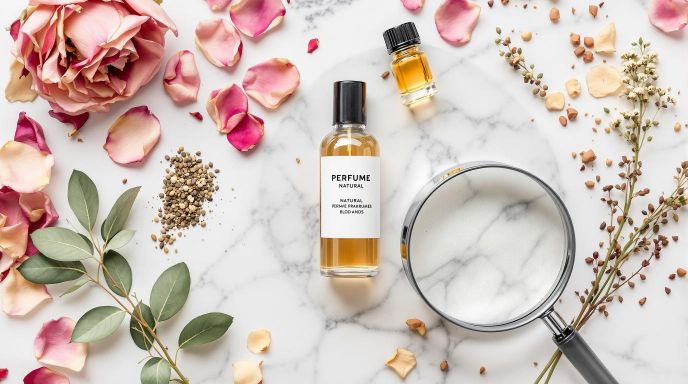
Want to avoid reactions? Learn to decode perfume labels. This skill is your best defense.
In the European Union, regulations require perfumes to list any of 26 known allergens if they’re present above certain levels. Look for the ingredient list—usually in tiny print on the box or bottle. You’ll see names like citronellol, geraniol, and linalool if they’re present.
But what about “hypoallergenic” claims? Unfortunately, this term isn’t regulated. Any brand can call their product hypoallergenic. It doesn’t guarantee you won’t react. Take these claims with a grain of salt.
Instead, look for legitimate certifications. EWG Verified means the Environmental Working Group has assessed the product for safety. Cradle to Cradle Certified indicates clean ingredients and sustainable practices. These certifications have real meaning.
Also check for phrases like “dermatologist tested” or “tested on sensitive skin.” While not foolproof, these suggest the brand at least considered skin safety during development.
Red Flag Ingredients to Avoid
When shopping for rose perfumes, watch out for these troublemakers:
Synthetic musks like galaxolide and tonalide may disrupt hormones and irritate skin. They’re often listed simply as “fragrance” or “parfum” on labels, making them hard to spot.
Parabens (methylparaben, propylparaben) preserve the product but can cause allergic reactions. Many brands now avoid them, but always check.
Phthalates help scents last longer but are linked to health concerns. They’re rarely listed individually—they hide under “fragrance.”
BHT (Butylated Hydroxytoluene) prevents oxidation but irritates many people’s skin. If you see this on the label, proceed with caution.
High alcohol content is indicated by “alcohol denat” or “SD alcohol” near the top of the ingredient list. The higher up it appears, the more alcohol is present. For sensitive skin, this is rarely good news.
Green Light Ingredients
Now for the good stuff—ingredients that suggest a rose perfume might work for you:
Natural rose extracts clearly listed by botanical name (Rosa Damascena, Rosa Centifolia) indicate transparency. If a brand specifies exactly which rose they use, that’s promising.
Gentle carrier oils like jojoba, coconut, or sweet almond oil make oil-based perfumes less irritating than alcohol-based ones.
Safe preservatives do exist. Look for tocopherol (vitamin E) or natural alternatives to harsh chemicals.
Skin-soothing additives like aloe vera, chamomile, or calendula in the formula can help buffer potential irritation.
Clean synthetics aren’t all bad. Some modern synthetic molecules are actually purer and safer than their natural counterparts. Brands that are transparent about using “clean synthetics” often make smart choices.
Formulation Factors
The type of perfume matters as much as what’s in it:
Eau de Parfum (EDP) contains 15-20% fragrance oils. It’s strong and long-lasting but potentially more irritating.
Eau de Toilette (EDT) has 5-15% fragrance oils. It’s lighter and often easier on sensitive skin.
Perfume oil contains no alcohol—just fragrance oils in a carrier oil base. Many sensitive skin folks find these much gentler.
Alcohol-free options use different bases. Some use water, others use oils or silicones. These are worth exploring if alcohol is your main trigger.
Solid perfumes are waxy balms with fragrance. They’re concentrated but allow precise application to small areas, letting you control exposure.
Water-based formulations are rare but growing in popularity. They’re lighter than oil-based and less drying than alcohol-based options.
The Natural vs Synthetic Debate
Let’s tackle this controversy head-on: is natural always better for sensitive skin?
Not necessarily. This surprises many people. We’re taught that “natural” means “safe” and “synthetic” means “harmful.” But nature produces some powerful irritants. Think poison ivy or stinging nettles—totally natural, definitely irritating.
Natural rose extracts contain hundreds of different compounds. You might react to any one of them. Synthetic rose molecules, on the other hand, are single, pure compounds. There’s less room for unexpected reactions.
That said, some natural extracts include compounds that counteract irritation. Nature has a wisdom that scientists are still trying to understand. A whole plant extract might be safer than an isolated compound because all the parts work together.
The smartest approach? Don’t dismiss either option. Instead, look for brands that use both natural and synthetic ingredients thoughtfully. Hybrid approaches often provide the best balance—the beauty of natural ingredients with the safety of clean synthetics.
Research supports this balanced view. Studies show that both natural and synthetic fragrances can cause reactions. What matters most is ingredient quality, concentration, and your individual skin chemistry.

Best Rose Perfumes for Sensitive Skin
Finding the right rose perfume for sensitive skin takes research. I’ve compiled recommendations across different price ranges, focusing on formulas that prioritize skin safety.
Important note: Even gentle perfumes can cause reactions in some individuals. Always patch test before committing to a full bottle. Consider ordering sample sets before purchasing.
Luxury Options ($100+)
1. Henry Rose “Queens & Monsters” – $120 for 50mL
Michelle Pfeiffer created this brand specifically for sensitive noses and skin. It’s EWG Verified, meaning every ingredient meets strict safety standards. Queens & Monsters features violet leaf, neroli, freesia, jasmine, and a soft vanilla-sandalwood base with subtle rose undertones.
Why it’s suitable: No parabens, phthalates, or known carcinogens. Hypoallergenic formulation. Complete transparency about every ingredient. Sample sets available to test before buying.
Best for: Moderate to mild sensitivity. Those who want a sophisticated rose blend rather than pure rose.
2. Clean Reserve “Skin” – $110 for 3.4 fl oz
This farm-to-fragrance brand focuses on sustainable, clean ingredients. While not purely rose, Skin contains rose elements alongside orange blossom, bergamot, vanilla orchid, and peony. The result feels warm and comforting—like your skin, but better.
Why it’s suitable: Free from harsh chemicals. Gentle enough for daily wear. The rose notes are soft and blended, reducing the risk of rose-specific reactions.
Best for: Those who want rose as part of a gentle, skin-like fragrance rather than a bold rose statement.
3. Maison Louis Marie “No. 13 Nouvelle Vague” – $98 for 50mL
From a family with botanical heritage spanning generations, this brand creates fragrances without toxic or harmful ingredients. Nouvelle Vague blends Italian lemon, marine accord, jasmine, violet, sea salt, cedar, and soft rose notes.
Why it’s suitable: Commitment to botanical safety. No environmental toxins. Fresh, airy composition that won’t overwhelm sensitive systems.
Best for: Mild sensitivity. Those who prefer fresh, aquatic rose rather than heavy, traditional rose.
Mid-Range Options ($50-$100)
4. Phlur “Missing Person” – $99 for 50mL
Phlur combines natural botanicals with safe synthetics for less allergenic formulas. Missing Person is a soft, skin-like scent with skin musk, bergamot, jasmine, neroli, orange flower, and sandalwood. Rose appears as a gentle middle note.
Why it’s suitable: Thoughtful blend of natural and synthetic for maximum safety. Designed to feel intimate and close to skin. Less likely to project strongly and trigger others’ sensitivities.
Best for: Moderate sensitivity. Office-appropriate. Those seeking a “your skin but better” vibe with subtle rose.
5. The 7 Virtues “Lotus Pear” – $94 for 50mL
This aromatherapy clean perfume brand sources sustainable oils and avoids parabens. Lotus Pear is fruity-floral with pear, peach, mandarin, rose, orange flower, jasmine, lotus, gardenia, and vanilla.
Why it’s suitable: Fair-trade, organic ingredients that tend to be gentler. Aromatherapeutic approach focusing on wellbeing. The rose is balanced with soothing notes.
Best for: Those who react to harsh synthetics. Eco-conscious buyers. Mild to moderate sensitivity.
6. Skylar “Peach Fields” – $90 for 1.7 fl oz
Skylar specifically designs fragrances for sensitive skin and allergies. Peach Fields brings together white peach, osmanthus, apricot, orange flower, jasmine, gardenia, rose, amber, vanilla, and sandalwood.
Why it’s suitable: Hypoallergenic and cruelty-free. Safe for sensitive skin by design. Clean ingredients without sacrifice to scent quality.
Best for: Proven track record with sensitive skin wearers. Ideal for those nervous about trying new fragrances.
Budget-Friendly Options (Under $50)
7. Pacifica “Island Vanilla” Perfume Roll-On – $12 for 10mL
While not purely rose, this natural perfume oil contains vanilla with subtle floral notes including rose. It’s alcohol-free, making it much gentler than spray perfumes.
Why it’s suitable: 100% vegan and cruelty-free. No harsh chemicals. Oil-based format is naturally gentler. Roller application allows precise control.
Best for: Severe sensitivity. Budget-conscious shoppers. Those wanting to test if oil-based formulas work for them.
8. Clean “Skin” Body Splash – $38 for 8 fl oz
A lighter, more affordable version of body scents from the Clean brand. This splash contains gentle musks and soft florals including rose.
Why it’s suitable: Lower concentration than traditional perfumes. Less alcohol. Designed for all-over use, indicating gentleness.
Best for: Daily wear. Those who find traditional perfumes too intense. Hot weather when heavy fragrances feel overwhelming.
9. Desert Essence “Bulgarian Rose” Body Mist – $8 for 4 fl oz
An organic body spray featuring genuine Bulgarian rose oil. It’s simple, natural, and affordable.
Why it’s suitable: Organic ingredients. Natural rose without synthetic additions. Simple formula means fewer potential irritants.
Best for: Those who know they tolerate natural rose but want to avoid synthetics. Budget-friendly option for testing rose suitability.
Specialty Options
Best Rose Perfume Oil: Nemat “Rose” Perfume Oil – $15 for 10mL
Pure rose fragrance in an oil base with no alcohol. Simple, straightforward, and surprisingly sophisticated.
Best Solid Rose Perfume: Diptyque “Eau Rose” Solid Perfume – $48
A waxy balm you apply with your fingertip. Allows pinpoint application to areas that don’t react.
Best Natural/Organic: Sana Jardin “Tiger by Her Side” – $185 for 50mL
Uses only natural ingredients and supports fragrance workers in developing countries. Contains beautiful rose blends.
Best for Severe Sensitivity: Juliette Has a Gun “Not a Perfume” – $95 for 50mL
Contains only one synthetic molecule (Cetalox), water, and alcohol. While not rose, it proves you can wear fragrance with extreme sensitivity. Consider it a starting point before adding complexity like rose.
COMPARISON TABLE: Top 10 Rose Perfumes for Sensitive Skin
| Perfume Name | Price | Format | Best For Sensitivity Level | Key Safety Feature |
|---|---|---|---|---|
| Henry Rose Queens & Monsters | $120 | Spray | Moderate-Mild | EWG Verified |
| Clean Reserve Skin | $110 | Spray | Moderate-Mild | No harsh chemicals |
| Maison Louis Marie No.13 | $98 | Spray | Mild | Botanical safety |
| Phlur Missing Person | $99 | Spray | Moderate | Natural-synthetic hybrid |
| The 7 Virtues Lotus Pear | $94 | Spray | Moderate-Mild | Organic ingredients |
| Skylar Peach Fields | $90 | Spray | Moderate | Hypoallergenic design |
| Pacifica Island Vanilla | $12 | Roll-on oil | Severe-Moderate | Alcohol-free |
| Desert Essence Rose Mist | $8 | Mist | Moderate | Simple organic formula |
| Nemat Rose Oil | $15 | Oil | Severe-Moderate | Pure, no alcohol |
| Diptyque Eau Rose Solid | $48 | Solid | Moderate | Precise application |
Testing and Application Guide
The Patch Test Protocol
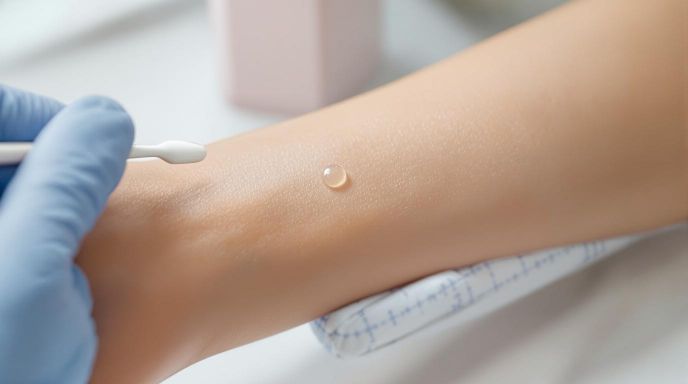
Never skip patch testing. It’s your insurance policy against bad reactions. Here’s exactly how to do it:
Step 1: Choose your test spot. The inside of your elbow or behind your ear work well. These areas have thinner, more sensitive skin—if you’ll react, you’ll react here first.
Step 2: Apply a small amount of perfume. For sprays, spray once on your fingertip, then dab onto your test spot. For oils or solids, apply directly.
Step 3: Leave it alone. Don’t wash the area. Don’t cover it with clothing if possible. Let it sit exposed to air.
Step 4: Wait 24 hours. Check the spot periodically. Look for redness, itching, bumps, or any discomfort.
Step 5: Evaluate your results. No reaction? Great! You can proceed to the next test: applying to your wrist or chest. Mild reaction? This perfume isn’t for you. Severe reaction? Wash immediately and consider seeing a dermatologist.
Step 6: Test on intended wear spots. After the initial patch test passes, try applying where you’d normally wear perfume. Skin chemistry varies by body location. Your inner elbow might be fine while your neck reacts.
Step 7: Repeat on different days. Your sensitivity can vary with hormones, stress, or season. Test three times before fully committing.
Does this seem excessive? Maybe. But one bad reaction can set your skin back for weeks. The 10 minutes spent patch testing is worth it.
Smart Application Techniques
How you apply perfume matters just as much as what you apply. Follow these strategies:
Choose your spots wisely. Traditional advice says to spray pulse points—wrists, neck, behind ears. But these areas have thin skin and lots of blood vessels. For sensitive skin, try less reactive spots: your hair, clothing, or the back of your knees.
Control the distance. Hold spray bottles 6-8 inches from your skin. Too close concentrates too much perfume in one spot. Too far wastes product and creates uneven application.
Less is more. Start with one spray. You can always add more, but you can’t remove it once applied. For sensitive skin, one light spray on clothing might be perfect.
Apply to clothes, not skin. This is game-changing for many sensitive skin folks. Spray your scarf, jacket lining, or shirt hem. You get the scent without direct skin contact. Just test fabric first—some perfumes can stain.
Mind the timing. Apply perfume to clean, dry skin. Moisture and other products on your skin can interact with the fragrance and increase irritation risk.
Layer carefully. Using scented lotion, then scented shampoo, then perfume creates a fragrance overload. For sensitive skin, keep other products unscented so your perfume is the only wild card.
Storage and Longevity Tips
How you store perfume affects its safety for sensitive skin. Here’s why it matters:
Heat and light break down fragrance molecules. When perfumes oxidize, they become more irritating. That beautiful bottle on your sunny windowsill? It’s turning into a potential irritant machine.
Store perfumes in cool, dark places. A drawer or cabinet away from windows is ideal. The bathroom seems convenient but isn’t—heat and humidity from showers speed up degradation.
Old perfume = more irritation. If you’ve had a bottle for 3-5 years, it might be past its prime. Notice the color changing or the scent smelling “off?” That oxidation creates new compounds that are often more irritating than fresh perfume.
When in doubt, throw it out. Your skin health is worth more than hanging onto old perfume.
Keep bottles closed tightly. Air exposure accelerates breakdown. Those fancy crystal decanters look beautiful but expose perfume to air unnecessarily.
Troubleshooting and Solutions
If You Experience a Reaction
Despite your best efforts, sometimes reactions happen. Here’s your action plan:
Immediate response: Wash the area with mild, unscented soap and lukewarm water. Don’t scrub—that irritates further. Gently pat dry.
Soothe the skin: Apply a fragrance-free, hypoallergenic moisturizer or aloe vera gel. Cold compresses can reduce inflammation. Hydrocortisone cream helps if itching is severe, but use sparingly.
Avoid triggers: Don’t apply anything else scented to the affected area. Skip makeup, other skin care products, or perfumes until it heals completely.
Monitor closely: Most reactions resolve in 24-48 hours. If redness, swelling, or discomfort worsens or lasts beyond two days, see a dermatologist.
Document everything: Take photos. Write down the perfume name, ingredients, and your symptoms. This creates a record for your dermatologist and helps you identify patterns.
Common Issues and Fixes
“I love the scent but it irritates me.”
Try applying to clothing instead of skin. Or search for a similar scent in a different format. If the Eau de Parfum irritates, try the Eau de Toilette version—lower concentration might solve the problem.
“It was fine at first, now it causes reactions.”
You might have developed sensitization. Repeated exposure can create sensitivity where none existed. Take a break from this perfume. Try rotation—wear different scents instead of the same one daily. This reduces sensitization risk.
Another possibility: the perfume has oxidized. If it’s old, replace it with a fresh bottle.
“Some days I’m fine, other days I react.”
Your skin’s reactivity changes with hormones, stress, diet, and environment. Notice patterns? Does it happen during your menstrual cycle? When you’re stressed? In hot weather? Understanding your patterns helps you predict when to skip perfume.
“It works on clothes but not skin.”
Perfect! This is actually a solution, not a problem. Many sensitive-skin folks wear fragrance exclusively on clothing. You still smell wonderful, your skin stays happy. That’s a win.
Building Fragrance Tolerance
Can you “train” sensitive skin to tolerate fragrances better? The research is mixed, but some strategies might help:
Support your skin barrier. Use gentle, fragrance-free moisturizers daily. A strong skin barrier protects against irritants better. Products with ceramides, niacinamide, and hyaluronic acid help rebuild that protective wall.
Start with tiny amounts. If you want to wear a perfume that slightly irritates, try wearing it every third day in minute quantities. Some people find gradual exposure helps. But be careful—this can also increase sensitization. Pay close attention to your skin’s feedback.
Reduce your overall toxic load. Use fragrance-free detergents, soaps, and cleaning products. This lowers your total exposure to potential irritants. When you reduce irritants elsewhere, your skin might handle perfume better.
Prioritize health. Stress, poor sleep, and inflammation make skin more reactive. Regular exercise, good nutrition, stress management, and adequate sleep all support skin health.
That said, sometimes a perfume just doesn’t work for you. There’s no shame in admitting defeat and finding an alternative. Your skin knows best.
Beyond Rose Perfumes
Complementary Products
Your perfume doesn’t exist in isolation. What else you put on your skin affects how it reacts to fragrance.
Use unscented base products. Your moisturizer, sunscreen, and body lotion should be fragrance-free if you wear perfume. Layering fragrances creates unpredictable interactions and increases irritation risk.
Choose compatible body products. If you must use scented products, keep them in the same family as your perfume. A rose body lotion under rose perfume makes sense. Vanilla lotion under rose perfume? They’ll compete and potentially create an irritating combination.
Mind your hair products. Shampoos, conditioners, and styling products often contain strong fragrances. Their scent mixes with your perfume throughout the day. For sensitive skin folks, fragrance-free hair care is often best.
Watch your laundry. Strongly scented detergent and dryer sheets linger on clothes. When you spray perfume on that fabric, you’re creating a fragrance cocktail. Switch to unscented laundry products for clothes you’ll wear perfume with.
Lifestyle Factors
Your skin’s sensitivity isn’t fixed. Several factors influence how reactive it is:
Diet matters. Inflammatory foods can increase skin sensitivity. Some people notice they react more to perfumes when they eat lots of sugar, dairy, or processed foods. Anti-inflammatory diets rich in omega-3s, fruits, and vegetables might help.
Seasons affect sensitivity. Winter’s dry air compromises skin barriers. Summer’s heat opens pores and increases absorption. You might tolerate a perfume in spring but react to it in winter. Adjust your choices seasonally.
Hormones play a role. Many women notice increased sensitivity during menstruation, pregnancy, or perimenopause. Hormonal changes affect skin barrier function and inflammation levels.
Stress impacts everything. When you’re stressed, your skin becomes more reactive. This is why that perfume you usually love might suddenly irritate during a high-stress week. Be extra gentle with your skin during stressful times.
Understanding these factors helps you predict when to skip perfume and when you can safely indulge.
Frequently Asked Questions
1. Is natural rose perfume always safer for sensitive skin?
Not necessarily. Natural ingredients can be just as irritating as synthetics. Natural rose oil contains allergens like citronellol and geraniol. What matters is ingredient quality, concentration, and your individual chemistry—not whether something is natural or synthetic.
2. Can I wear rose perfume if I have eczema?
This depends on your eczema severity and triggers. Many dermatologists advise avoiding fragrances during flare-ups. However, during calm periods, gentle, hypoallergenic rose perfumes applied to clothing rather than skin might work. Always consult your dermatologist first.
3. How long should a patch test be?
Minimum 24 hours, ideally 48 hours. Some reactions take time to develop. Test the same spot three separate times on different days for the most reliable results.
4. Are expensive rose perfumes less irritating?
Not automatically. Price reflects brand prestige, packaging, marketing, and ingredient rarity—not necessarily skin safety. However, luxury brands often use higher quality ingredients and avoid some harsh fillers. Still, expensive doesn’t guarantee safe for your skin.
5. Can I become allergic to a perfume I’ve used for years?
Yes. This is called sensitization. Repeated exposure can trigger your immune system to recognize an ingredient as a threat. Suddenly, your beloved perfume causes reactions. It’s frustrating but real. Rotation helps prevent this.
6. Is perfume oil better than spray for sensitive skin?
Often, yes. Oil-based perfumes contain no alcohol, which is a major irritant. However, if you’re sensitive to the fragrance oils themselves, the format won’t matter. But for people who mainly react to alcohol, oils are game-changers.
7. What’s the safest rose note: top, middle, or base?
Rose typically appears as a middle note (heart note). Its position doesn’t really affect safety. What matters is the type of rose, extraction method, and concentration—not where it sits in the fragrance pyramid.
8. Can I wear rose perfume during pregnancy?
Generally, yes, but choose carefully. Avoid perfumes with phthalates, parabens, and harsh synthetics. Natural and clean perfumes are better choices. However, pregnancy often increases scent sensitivity. You might find fragrances unbearable even if they’re technically safe. Listen to your body.
9. How do I know if I’m allergic to rose specifically?
Test pure rose products—like rose water or rose essential oil diluted in carrier oil. If these cause reactions but fragrance-free products don’t, rose is likely your culprit. An allergist can also perform specific patch testing to identify allergens.
10. Are solid perfumes safer for sensitive skin?
They can be. Solid perfumes let you apply precisely where you want, avoiding sensitive areas. They also don’t contain alcohol, which irritates many people. However, they still contain fragrance oils that might cause reactions. They’re worth trying if sprays irritate you.
11. Can I mix rose perfume with unscented lotion?
Yes, this is a smart technique. Mixing a tiny amount of perfume into fragrance-free lotion dilutes it, reducing irritation risk. It also helps scent last longer. Just ensure the lotion is truly unscented and designed for sensitive skin.
12. How many sprays is safe for sensitive skin?
Start with one. Seriously—just one spray on clothing or a low-reactivity spot. You can always add more next time. Overapplication is a common mistake that leads to reactions and gives perfumes a bad name.
13. Should I avoid rose perfumes in summer?
Summer heat makes perfumes project stronger and can increase skin absorption. If you react more in summer, try lighter concentrations (EDT instead of EDP) or apply only to clothing. Some people avoid perfume entirely in extreme heat.
14. What’s the difference between irritation and allergy?
Irritation is direct damage from a harsh ingredient. Anyone using enough of that ingredient would react. It happens immediately or within hours. Allergy is an immune response to a specific ingredient. Only people sensitized to that ingredient react. It can appear after multiple exposures and might take 24-72 hours to show up. Allergies typically require medical attention; irritation usually resolves when you stop using the product.
15. Can children with sensitive skin wear rose perfumes?
Children’s skin is more permeable and reactive than adult skin. Most dermatologists recommend avoiding fragrances for children under 12, especially those with sensitive skin or eczema. If you want light scent for a child, diluted rose water on clothing is safer than perfume.
Conclusion and Action Steps
Let’s bring it all together. Yes, you can wear rose perfumes even with sensitive skin—but it requires knowledge, patience, and smart choices.
You’ve learned that not all rose perfumes are created equal. The type of rose, extraction method, additional ingredients, and formulation all affect whether a perfume will work for your skin. You understand that both natural and synthetic options have pros and cons. You know how to read labels, identify red flags, and spot safe ingredients.
You have specific product recommendations across all price ranges. You understand patch testing isn’t optional—it’s essential. You’ve learned application tricks that reduce irritation risk. And you know what to do if reactions happen despite your precautions.
Most importantly, you understand that giving up on rose perfumes isn’t necessary. The right one exists for you. It just takes some detective work to find it.
Your Immediate Action Steps:
1. Identify your sensitivity level. Are you mildly, moderately, or severely sensitive? Be honest. This determines which perfumes to try first.
2. Research 2-3 perfumes from the recommendations above. Choose options within your budget that match your sensitivity level.
3. Order sample sets. Don’t buy full bottles yet. Samples let you test without expensive commitment. Sites like The Perfumed Court, Luckyscent, and Surrender to Chance sell samples. Many brands also offer discovery sets.
4. Perform proper patch tests. Follow the protocol exactly. Don’t rush. Your skin health depends on this step.
5. Keep a fragrance diary. Note what you tested, when, where you applied it, and how your skin reacted. Track patterns. This becomes your personal guide for future purchases.
6. Join communities. Online forums for sensitive skin and fragrance lovers offer support, recommendations, and solidarity. You’re not alone in this journey.
7. Be patient with yourself. Finding the right rose perfume might take several tries. That’s normal. Each test teaches you more about your skin and your preferences.
Final Encouragement
Your sensitive skin doesn’t have to mean a life without beautiful scents. Rose perfumes have captivated humanity for thousands of years—their romantic, uplifting, complex aroma is worth the effort to find a safe option.
Think of this process as an adventure rather than a frustration. You’re learning about your body, exploring new scents, and developing expertise. Each perfume you test brings you closer to your perfect match.
And when you find that rose perfume that makes you feel beautiful without irritating your skin? That moment makes everything worthwhile.
Your perfect rose perfume is out there. Now you have the tools to find it safely. Happy (and safe) scent hunting!
