

Have you ever wondered why a simple spray of perfume can feel like a sacred ritual? Or why some cultures treat fragrance as more important than food itself?
Step into any Middle Eastern home, and you’ll immediately understand. The air itself tells stories – of ancient traditions, spiritual devotion, and cultural pride that spans over 4,000 years. In Arabian culture, perfume isn’t just something you wear. It’s who you are, where you come from, and what you believe in.
From the moment children can walk, they learn that fragrance is sacred, social, and essential. It’s woven into prayers and celebrations, hospitality and love, daily routines and life’s biggest moments. Every whiff carries the weight of history, the warmth of welcome, and the whisper of the divine.
In the West, we might put on perfume to smell nice. In Arabian culture, perfume serves ten different purposes – spiritual cleansing, social communication, religious duty, family tradition, personal identity, guest honoring, celebration marking, status display, therapeutic healing, and cultural preservation.
Ready to discover why Arabian perfume culture runs deeper than any fragrance you’ve ever experienced? Let’s explore the heart and soul of Middle Eastern identity, one precious drop at a time.
- The Cultural Foundation: Why Perfume Matters So Much
- Religious and Spiritual Significance
- Daily Life Integration: Living the Fragrant Culture
- Hospitality and Social Customs
- Life Celebrations and Ceremonies
- Regional Cultural Variations
- Modern Cultural Preservation
- Cultural Etiquette and Respect
- Conclusion: The Eternal Cultural Essence
The Cultural Foundation: Why Perfume Matters So Much
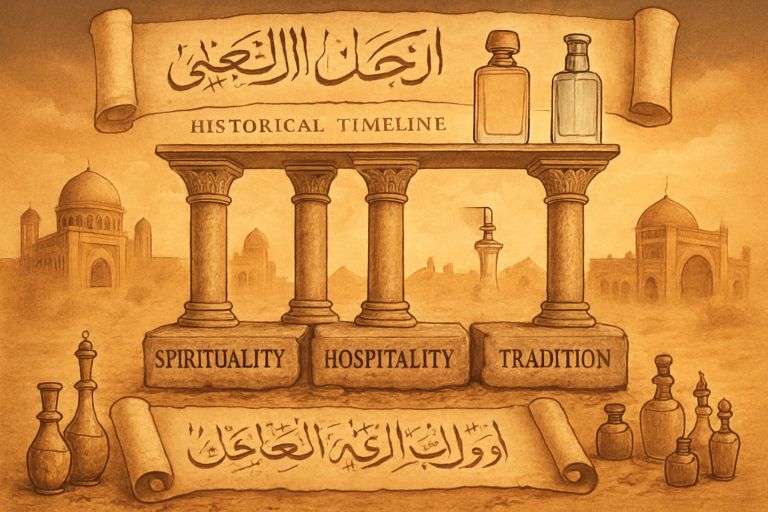
Historical Cultural Roots
Imagine living in a culture where using perfume is actually a religious recommendation! That’s exactly what happened when Prophet Muhammad declared fragrance use part of sunnah – the highest model of living for Muslims to follow.
This wasn’t just a casual suggestion. The Prophet loved perfumes so much that he never refused a fragrance gift and encouraged all his followers to do the same. Historical records show he used perfume daily and considered it essential for spiritual cleanliness. Suddenly, wearing fragrance became both cultural tradition AND religious practice.
But Arabian perfume culture started long before Islam. Over 4,000 years ago, ancient Arabian tribes discovered that certain scents could transport the mind, heal the body, and connect the soul to something greater. They didn’t just make perfumes – they built entire civilizations around fragrance.
Think about this amazing fact: While other ancient cultures used perfume occasionally for special events, Arabians made it part of every single day. Morning prayers, afternoon meals, evening gatherings – each moment had its perfect scent. This daily integration created the world’s first truly fragrant culture.
Beyond Personal Use: Community and Social Fabric
Here’s where Arabian perfume culture gets really fascinating: It’s never just about the individual. Every fragrance choice affects the entire community.
Picture this scene: You’re walking through a traditional Arabian neighborhood. Before you even see the people, you smell their stories. The successful merchant’s house carries notes of expensive oud. The grandmother’s home whispers of rose water and prayers. The young family’s dwelling sparkles with lighter, joyful blends.
Fragrance becomes social communication. People can tell if you’re celebrating, mourning, preparing for prayer, or honoring guests – all through scent. It’s like having a conversation without saying a word!
This creates something beautiful: a fragrant community identity. Every neighborhood, every family, every region develops its signature scent palette. Children grow up knowing their cultural fragrance “language” just like they learn their spoken language.
Ever wonder why Arabian families guard their perfume recipes so carefully? Because those formulas carry generational memories, cultural wisdom, and family identity. Losing a family blend is like losing part of the family’s soul.
Religious and Spiritual Significance
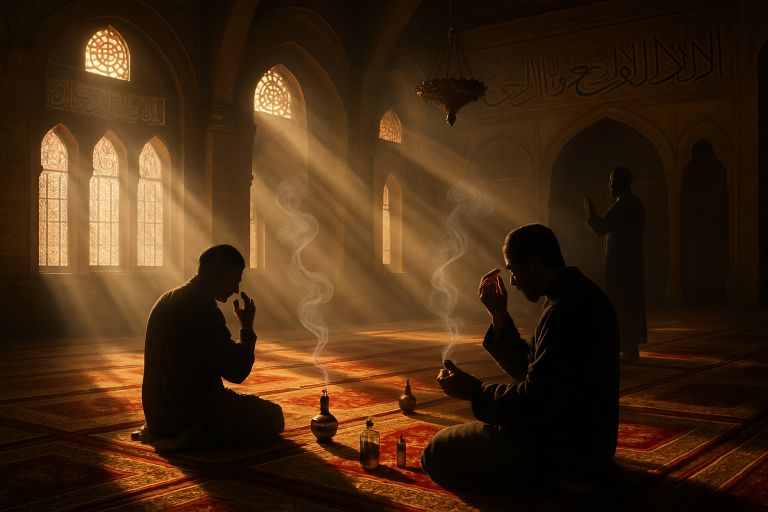
Islamic Traditions and Practices
Did you know that using perfume before Friday prayers can actually help forgive your sins? According to Islamic tradition, Prophet Muhammad said that anyone who bathes on Friday, applies fragrance, and attends communal prayer will have their sins between that Friday and the previous one forgiven.
This transforms perfume from luxury to spiritual necessity. Every Friday, millions of Muslims around the world follow this tradition, turning their fragrance routine into worship preparation. Imagine the incredible spiritual power when entire communities arrive at prayer smelling beautiful and feeling blessed!
But Islamic perfume traditions go much deeper. The Prophet encouraged fragrance use for:
- Prayer preparation – showing respect to Allah and fellow worshippers
- Community gatherings – creating pleasant atmospheres for spiritual discussion
- Religious celebrations – marking special occasions with beautiful scents
- Personal cleanliness – maintaining the highest standards of hygiene
Here’s something amazing: Islamic tradition teaches that angels love beautiful scents and are attracted to people who smell good. This means wearing perfume actually invites divine blessing into your life!
Spiritual Dimensions
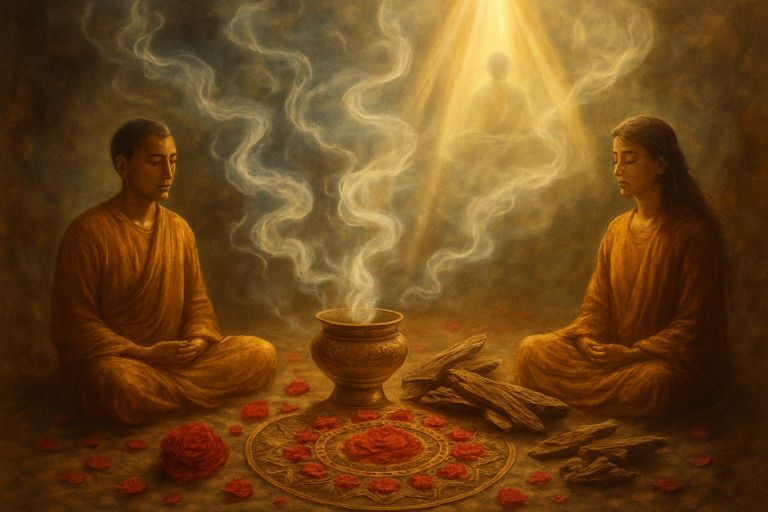
Arabian culture sees fragrance as a bridge between the earthly and divine worlds. When you burn frankincense during prayer, when you apply oud before meditation, when you breathe rose-scented air during contemplation – you’re literally opening spiritual doorways.
Bakhoor burning creates sacred spaces. These aromatic wood chips, often mixed with frankincense and perfume oils, fill rooms with thick, purifying smoke. Families burn different bakhoor blends for different spiritual purposes:
- Morning bakhoor for starting the day with blessings
- Prayer bakhoor for creating holy atmospheres
- Evening bakhoor for peaceful rest and protection
- Special occasion bakhoor for major spiritual celebrations
During Ramadan, the sacred month of fasting and prayer, fragrance takes on even deeper meaning. Bakhoor burning increases during this holy time, helping the faithful stay focused on spiritual goals and creating community bonds through shared aromatic experiences.
The scent itself becomes meditation and memory. Smell jasmine, and you remember your grandmother’s prayers. Catch a whiff of oud, and you feel connected to centuries of spiritual tradition. Breathe in rose water, and you’re transported to moments of divine connection.
Daily Life Integration: Living the Fragrant Culture
Morning to Evening Rituals
Want to know what a typical day looks like in a traditional Arabian household? Fragrance marks every single moment, creating a beautiful rhythm of scented rituals.
Morning (Fajr – Dawn Prayer): After the pre-dawn shower, oil-based attars are applied to pulse points – wrists, behind ears, on the heart. These concentrated perfumes sink deep into the skin, creating all-day fragrance foundation. It’s like giving your body a scented shield of protection and confidence.
Midday (Before Leaving Home): Here comes the famous bakhoor ritual. The burner glows with special wood chips, creating aromatic smoke. Traditional garments like kanduras (men’s robes) and abayas (women’s robes) are held over the smoke, allowing the fabric to absorb the fragrance. Then alcohol-based perfumes are sprayed on top. This creates incredible layering that can last 12+ hours!
Evening (Family Time): Different bakhoor blends scent the home for dinner and family gathering. After meals, special clearing bakhoor removes food odors and prepares the space for evening prayers and relaxation.
Here’s what’s fascinating: This isn’t just routine – it’s spiritual discipline. Each application moment becomes mindful, intentional, and connected to cultural identity.
Family and Household Traditions
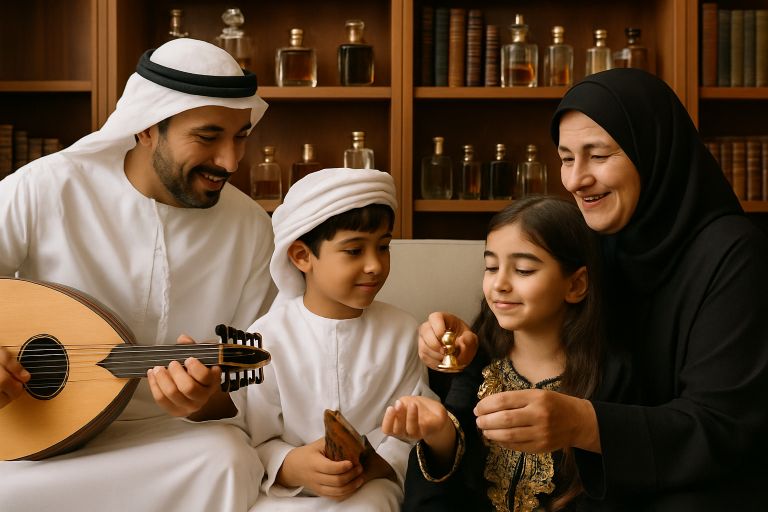
Every Arabian family has their own secret fragrance identity. Picture this: Grandmothers mixing custom bakhoor blends using recipes passed down through five generations. Mothers teaching daughters the perfect layering techniques. Fathers showing sons how to apply oud with dignity and restraint.
Children learn fragrance appreciation the same way they learn language – naturally, daily, and completely. By age five, most Arabian children can:
- Identify different oud qualities by scent
- Understand when to use oils versus sprays
- Recognize their family’s signature bakhoor blend
- Know appropriate fragrances for different occasions
Family perfume collections become cultural libraries. Each bottle tells stories – the expensive oud saved for weddings, the rose water used for religious celebrations, the light florals for everyday wear, the therapeutic blends for healing.
Ever wonder why Arabian homes always smell incredible? Because fragrance is treated like interior decoration. Different rooms have different scent personalities, changing seasonally and for special occasions.
Personal Identity and Self-Expression
In Arabian culture, your fragrance IS your signature. It’s more personal than your name, more distinctive than your voice, more memorable than your face.
Here’s how deep this goes: If someone can identify your exact perfume blend, you need to change it immediately. Why? Because your fragrance should be as unique as your fingerprint. This creates an entire culture of creative perfume layering and personal scent artistry.
Traditional dress in Gulf regions is relatively uniform – men wear similar kanduras, women wear similar abayas. Fragrance becomes the primary way to express individual personality. Through scent choices, people communicate their mood, their values, their aspirations, and their cultural sophistication.
Picture this incredible scene: A woman enters an elevator wearing a perfectly crafted fragrance blend that took her thirty minutes to layer. Another woman compliments her, saying “That’s beautiful oud mixed with rose and just a touch of saffron, isn’t it?” The first woman is actually DISAPPOINTED – because if her blend is recognizable, it’s not unique enough!
This pursuit of fragrance individuality creates amazing creativity. People become their own perfume artists, mixing different oils, sprays, and bakhoor effects to create scents that are completely, personally theirs.
Hospitality and Social Customs
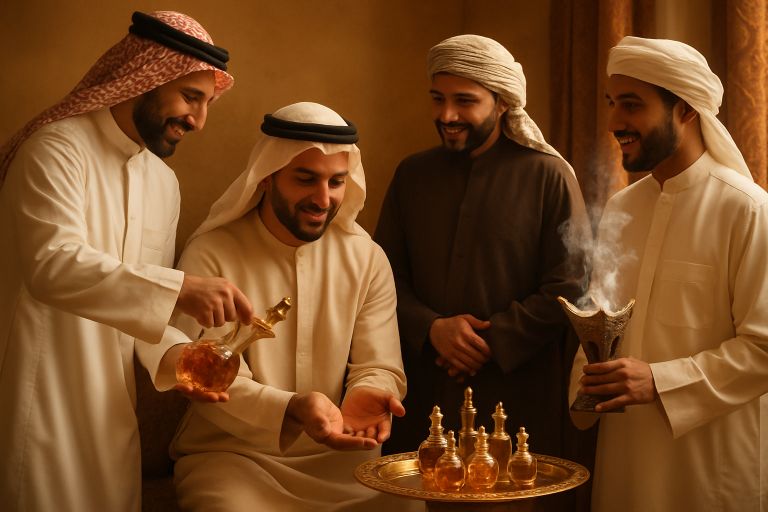
The Art of Welcoming Guests
Have you ever been welcomed with rose water sprinkled on your hands and clothes? In Arabian culture, this isn’t just nice – it’s essential hospitality.
The traditional guest welcome involves multiple fragrance rituals:
Step 1: Rose Water Greeting
As guests arrive, hosts sprinkle fragrant rose water on their hands and sometimes clothes. This cleanses, refreshes, and immediately signals that the guest is honored and valued.
Step 2: Bakhoor Ceremony
Special guest bakhoor is burned, filling the reception area with rich, welcoming smoke. The message is clear: “You are worth our most precious aromatics.”
Step 3: Perfume Offering
Many homes present a tray of different perfumes and oils, allowing guests to choose their preferred scent. This shows ultimate respect – letting guests perfume themselves according to their personal taste.
Here’s what makes this so culturally significant: Sharing precious perfumes with guests is like sharing your wealth, your prayers, and your family’s blessings. In a culture where hospitality is sacred, fragrance becomes the most intimate gift you can offer.
Gift-Giving and Social Exchange
Perfume is the ultimate gift in Arabian culture – and there’s deep religious reasoning behind this. Prophet Muhammad taught his followers to never refuse a gift of perfume, making fragrance gifts spiritually meaningful.
Think about the wisdom here: Unlike food that gets consumed or clothes that wear out, perfume creates lasting memories and experiences. Every time someone uses a gifted fragrance, they remember the giver’s generosity and love.
Different occasions call for different perfume gifts:
- Weddings: Expensive oud or custom family blends
- New babies: Light, protective fragrances with blessing intentions
- Religious celebrations: Frankincense or spiritually significant scents
- Business relationships: High-quality but respectful fragrance choices
- Friendship: Personal favorite scents that show intimate knowledge
During major celebrations like Eid, entire communities exchange perfumes. Children receive small bottles, families share custom blends, and neighbors honor each other with aromatic gifts. The air itself becomes fragrant with generosity and social bonding.
Life Celebrations and Ceremonies
Wedding Traditions
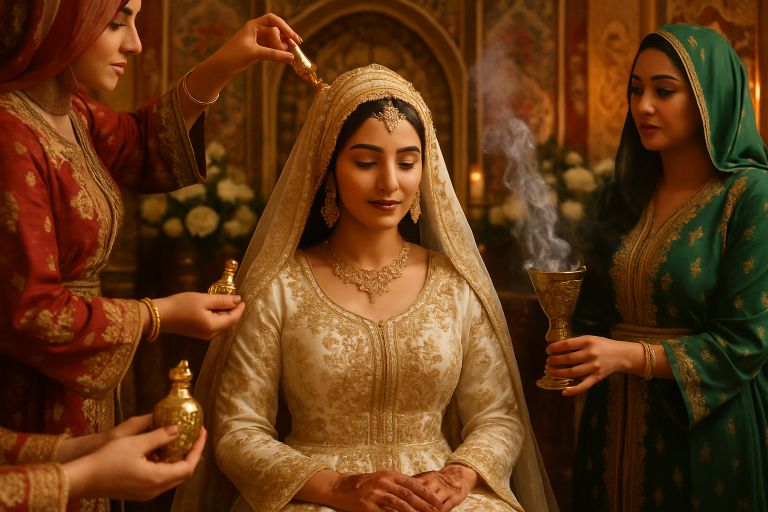
Imagine a wedding where fragrance is just as important as the dress, the food, and the music! In Arabian culture, wedding perfume rituals can take days to complete.
Pre-Wedding Fragrance Preparations:
- Henna Night: Brides are anointed with special oil blends while henna patterns are applied
- Bridal Bathing: Sacred fragrance baths using rose water, jasmine, and blessed oils
- Family Blessing: Elder women anoint the bride with family heirloom perfumes
- Groom’s Preparation: Men participate in group fragrance rituals with oud and traditional oils
Wedding Day Fragrance Ceremonies:
- Guest Reception: Every guest is welcomed with rose water and bakhoor
- Couple’s Anointing: Religious leaders bless the couple with sacred fragrant oils
- Family Unity: Both families share their signature bakhoor blends, symbolizing union
- Celebration Scenting: Different perfumes mark different parts of the celebration
Here’s something beautiful: Wedding perfumes become family treasures. The oils used to anoint the bride are often saved and used later for blessing the couple’s children, creating generational fragrance memories.
Birth and Naming Celebrations
When a baby is born in Arabian culture, fragrance marks the sacred transition from pregnancy to parenthood.
Traditional Birth Blessing Rituals:
- Mother’s Recovery: New mothers are cared for with therapeutic fragrant oils
- Baby’s First Scenting: Gentle rose water or light florals welcome the newborn
- Protective Fragrance: Special blends are burned to protect mother and child
- Announcement Scenting: Homes are filled with celebration bakhoor to announce the birth
Naming Ceremony Traditions: When the baby receives their name, custom perfume blends are often created featuring the child’s name and birth date. These become the child’s first personal fragrances, used throughout childhood for special occasions.
Modern families often commission perfumers to create unique scents celebrating their new family member. These aren’t just perfumes – they’re liquid love letters to the future.
Religious Observances
Every major Islamic celebration involves specific fragrance traditions:
Eid Celebrations:
- Pre-prayer fragrance: Special oud applications before communal prayers
- Family gathering scents: Homes filled with celebratory bakhoor blends
- Gift exchange perfumes: Premium fragrances shared between families
- Community fragrance: Mosques scented with frankincense and rose
Ramadan Observances:
- Iftar preparation: Special bakhoor burned before breaking the fast
- Taraweeh prayer scenting: Mosque fragrance for evening prayers
- Spiritual focus blends: Meditative fragrances for Quran reading and contemplation
- Community bonding scents: Shared aromatic experiences during holy month
During Hajj pilgrimage, pilgrims often carry small amounts of Zamzam water mixed with rose essence – creating sacred fragrant memories of their spiritual journey.
Regional Cultural Variations
Gulf Region Traditions (UAE, Saudi, Kuwait, Qatar)
The Gulf states represent the most oud-centric perfume culture in the world. Here, using pure oud isn’t just about smelling good – it’s about displaying cultural sophistication and spiritual connection.
Gulf-Specific Traditions:
- Daily oud application: Pure oud oils used every morning after bathing
- Kandura scenting: Men’s traditional robes fumigated with expensive bakhoor
- Abaya fragrance rituals: Women’s traditional dress scented with family signature blends
- Majlis perfuming: Men’s gathering spaces continuously scented with premium aromatics
Status and Social Communication: In Gulf culture, your fragrance choices communicate your social position, cultural knowledge, and personal refinement. Wearing cheap or synthetic fragrances can actually be seen as disrespectful to the cultural tradition.
Oil-Based Preferences: The hot, humid Gulf climate makes oil-based attars more practical than alcohol-based perfumes. Oils last longer, project better in heat, and maintain their character despite extreme temperatures.
Levantine Customs (Syria, Lebanon, Jordan)
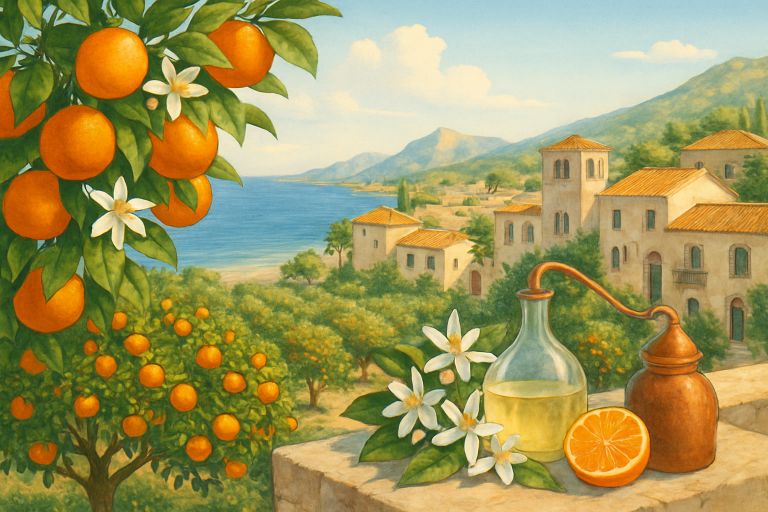
Mediterranean influences create lighter, more accessible fragrance traditions in the Levant region. Here, orange blossom reigns supreme, reflecting the region’s famous citrus groves and coastal lifestyle.
Levantine-Specific Practices:
- Orange blossom water: Used for hand cleansing and home scenting
- Seasonal fragrance rotation: Light florals for summer, warmer scents for winter
- Garden-inspired blends: Jasmine, rose, and herb combinations reflecting local agriculture
- Hospitality scenting: Guests welcomed with locally-inspired aromatic traditions
Cultural Adaptations: Levantine fragrance culture adapts more readily to modern lifestyles* while maintaining cultural roots. Urban families might use electric bakhoor burners instead of traditional charcoal, or create contemporary versions of ancestral blends.
North African Practices
Berber traditions and Saharan influences create unique fragrance customs across North Africa. Desert cultures developed intense, long-lasting scents that could withstand harsh climates.
North African Specialties:
- Desert plant aromatics: Unique ingredients that thrive in arid conditions
- Tribal signature scents: Each Berber tribe traditionally had distinctive fragrance markers
- Trade route influences: Fragrance customs influenced by historical caravan routes
- Therapeutic applications: Strong tradition of using fragrance for healing and protection
These regional variations show how Arabian perfume culture adapts to local climate, lifestyle, and historical influences while maintaining core spiritual and social significance.
Modern Cultural Preservation
Globalization Challenges
What happens when ancient fragrance traditions meet modern global culture? Arabian communities face fascinating challenges in preserving their perfume heritage while adapting to contemporary life.
Urban Lifestyle Adaptations:
- Time constraints: Traditional 30-minute bakhoor rituals adapted for busy schedules
- Apartment living: Electric burners replacing charcoal systems for safety
- International travel: Portable perfume solutions for maintaining cultural identity abroad
- Workplace considerations: Adjusting fragrance intensity for multicultural environments
Young Generation Engagement: How do you teach Instagram-generation kids to appreciate 4,000-year-old perfume traditions? Modern Arabian families get creative:
- Perfume workshops: Teaching traditional techniques through hands-on experience
- Cultural storytelling: Connecting fragrance choices to family history and identity
- Modern applications: Showing how traditional knowledge enhances contemporary lifestyle
- Social media sharing: Using platforms to celebrate and preserve cultural practices
Contemporary Adaptations
Modern Arabian perfume houses brilliantly balance tradition with innovation:
Heritage Brand Evolution:
- Ajmal Perfumes: Maintains traditional techniques while creating contemporary fragrances
- Al Haramain: Preserves family recipes while expanding international reach
- Amouage: Elevates traditional ingredients through modern perfumery artistry
- New generation brands: Young perfumers creating culturally rooted but globally appealing fragrances
Technology Integration: Traditional meets digital as Arabian perfume culture embraces helpful innovations:
- App-controlled bakhoor burners: Maintaining rituals with modern convenience
- Online fragrance education: Teaching cultural significance to global audiences
- Sustainable sourcing: Using technology to protect endangered ingredients like natural oud
- Virtual scent consultations: Sharing cultural knowledge with international customers
International Cultural Education: Arabian perfume brands now serve as cultural ambassadors, teaching the world about the deep significance behind their fragrances. This creates appreciation rather than appropriation, helping global customers understand and respect the traditions they’re experiencing.
Cultural Etiquette and Respect
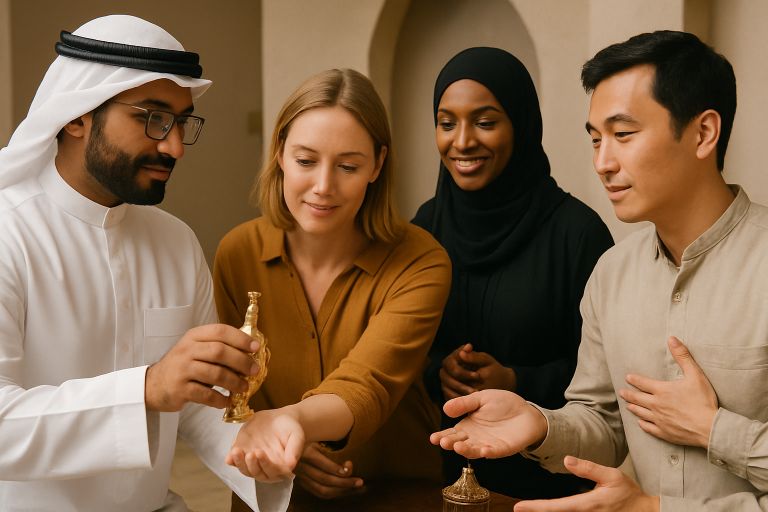
Guidelines for Cultural Visitors
Planning to visit Middle Eastern countries or engage with Arabian perfume culture? Respectful participation shows cultural appreciation and builds meaningful connections.
Appropriate Fragrance Choices:
- Avoid overly synthetic scents: Choose natural or high-quality ingredients when possible
- Respect religious sensitivities: Some synthetic musks may be avoided during religious observances
- Consider intensity levels: What’s appropriate varies by region and occasion
- Ask for guidance: Local friends can help you navigate cultural preferences
Respectful Participation:
- Accept fragrance gifts gracefully: Remember the prophetic tradition of never refusing perfume
- Participate in bakhoor rituals: When offered, joining in shows respect and appreciation
- Learn basic fragrance etiquette: Understanding when to apply, how much to use, and what’s appropriate
- Show genuine interest: Ask questions about cultural significance, not just fragrance composition
Cross-Cultural Appreciation
Learning from Arabian fragrance wisdom enriches everyone’s understanding of scent and culture:
Universal Lessons:
- Mindful application: Treating fragrance as ritual, not routine
- Community consideration: Choosing scents that enhance rather than overwhelm social spaces
- Layering artistry: Combining different fragrance formats for unique personal signatures
- Seasonal awareness: Adapting fragrance choices to climate and cultural context
Supporting Authentic Cultural Businesses: When you buy from genuine Arabian perfume houses, you’re supporting cultural preservation and authentic craftsmanship. This helps ensure these incredible traditions continue for future generations.
Educational Travel and Experience:
- Perfume souk visits: Learning from traditional merchants and perfumers
- Cultural workshop participation: Hands-on experience with traditional techniques
- Home hospitality: Accepting invitations to experience authentic fragrance customs
- Respectful documentation: Sharing experiences in ways that honor rather than exploit the culture
Conclusion: The Eternal Cultural Essence
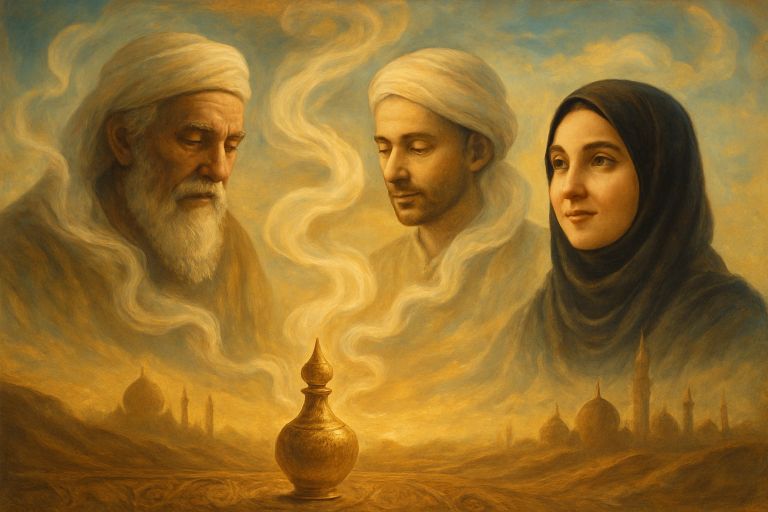
After exploring this incredible journey through Arabian perfume culture, what strikes you most? Perhaps it’s the depth of spiritual connection, the beauty of daily rituals, or the wisdom of using fragrance to build community bonds.
Arabian perfume culture teaches us that scent can be sacred, social, and personally transformative all at once. In a world where we often rush through our days, these 4,000-year-old traditions show us how to make every moment mindful, every interaction meaningful, and every breath a blessing.
The cultural significance runs deeper than any perfume bottle. It’s about respect – for the divine, for community, for tradition, and for the incredible power of scent to connect human hearts across time and space.
Modern Arabian perfume culture continues evolving while maintaining its essential soul. Young perfumers create contemporary fragrances rooted in ancestral wisdom. Families adapt ancient rituals to modern lifestyles. Global appreciation grows for the incredible sophistication and spiritual beauty of these traditions.
When you next experience an Arabian-inspired fragrance, remember the incredible cultural journey you’re joining. You’re not just wearing perfume – you’re participating in humanity’s most beautiful fragrant tradition, connecting with generations of spiritual seekers, gracious hosts, and masterful artisans who understood that scent can transform not just how we smell, but how we live.
The cultural essence is eternal. The traditions continue. And every person who approaches Arabian perfume culture with respect and appreciation becomes part of this incredible, fragrant story.


